From Discovery to the Race: Juan Ponce de León, His Crew, and the Legacy of Key West
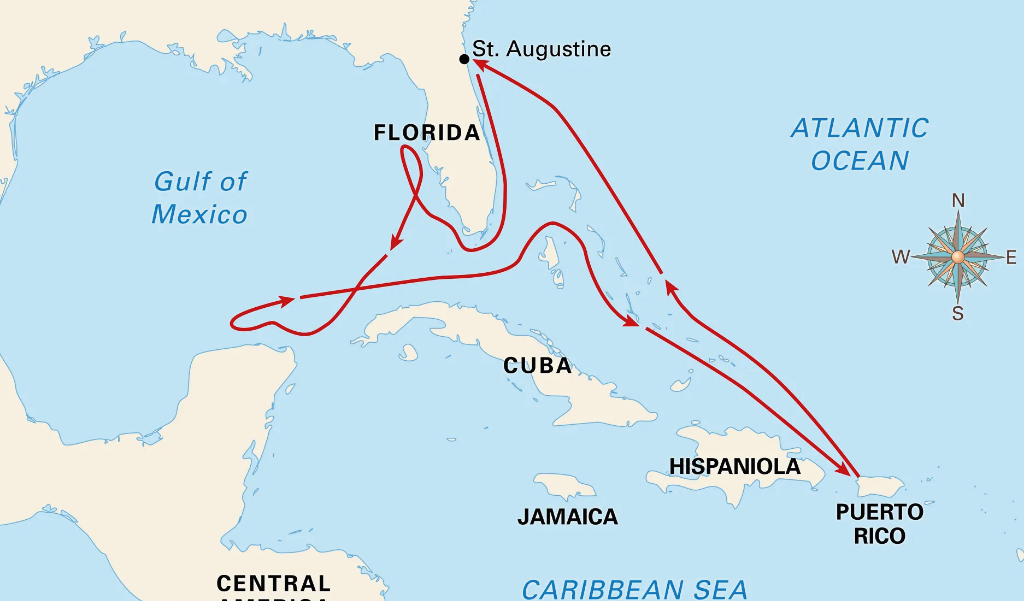
The first light of dawn spilled across the turquoise waters of the Florida Straits, and on the decks of the Santa María and Santiago, the crew stirred to life. Juan Ponce de León stood at the bow, eyes scanning the horizon, feeling the pulse of the Gulf Stream beneath the hulls. It was 1513, and they were far from home, charting waters that no European sailor had fully mapped. The air was thick with salt, wind, and anticipation.
Every man aboard knew that each gust, each wave, each hidden reef could be a lesson in courage, or a trial of survival.
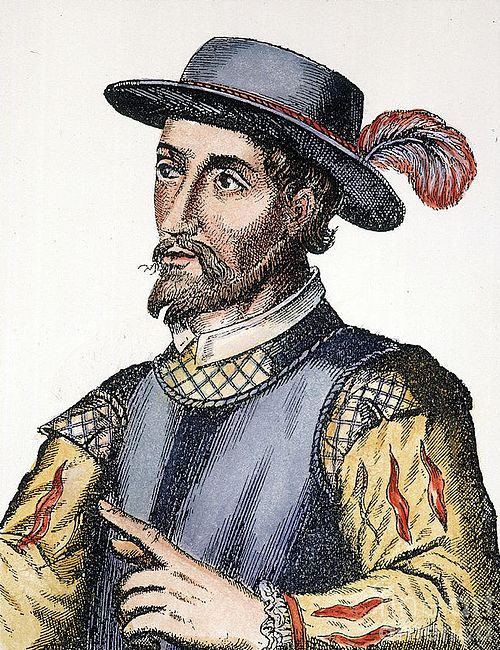
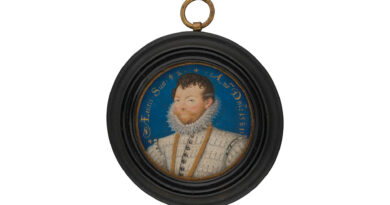
17th century Spanish engraving (colored) of Juan Ponce de León
Alonso Niño climbed the rigging, muscles burning, eyes sharp for the faintest hint of land. Juan de la Cosa studied the stars, mapping positions and guiding the fleet through channels full of reefs. Pedro Ruiz meticulously recorded every depth and current, while Diego de Ledesma guided smaller boats, steering carefully through narrow passages. Every man, from the youngest apprentice to the most seasoned mariner, shared the weight of responsibility, relying on skill, intuition, and trust in each other. Ponce de León did not command with harshness; he led through example, moving among his crew, steadying spirits, and inspiring confidence through presence.
The voyage was grueling. Sudden squalls tore across the sea, whipping sails and tossing the ships against unseen reefs. Tropical heat scorched their skin, salt burned their hands, and illness crept silently through the ranks. Hunger and fatigue tested them daily, yet through each challenge, the crew found moments of triumph. Diego guided a boat through a hidden sandbar, saving the fleet from disaster. Alonso spotted a safe channel from the crow’s nest that allowed the ships to advance without mishap. Pedro recorded the winds and currents that would inform navigation for decades to come. Each of these small victories was celebrated quietly, their significance understood only by those who had endured the voyage.
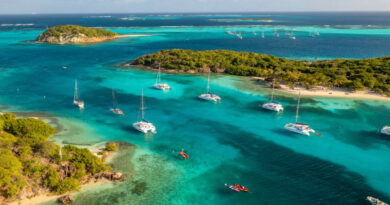
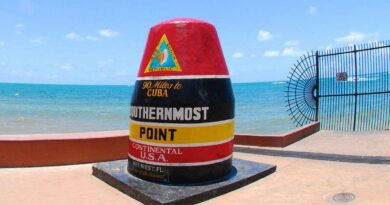
When the islands of the Keys first appeared, the crew paused, overwhelmed by awe and relief. The water gleamed turquoise and emerald, sandbanks glimmered like jewels, and coral reefs shimmered just beneath the surface. It was a moment of wonder, but also of responsibility. Ponce de León ordered careful surveys, ensuring that these waters could one day be navigated safely. The name Cayo Hueso, Bone Key, was given by Spanish explorers later, reflecting both the skeletal remains of indigenous peoples once found there and the small islets dotting the area. This name would survive centuries, marking a place forever tied to discovery, hardship, and human courage.
Beyond Ponce de León, other explorers like Hernando de Soto, Jean Ribault, and Sir Francis Drake would follow these waters, relying on the maps and charts first painstakingly created by this small but determined crew. The winds and currents they encountered are the same ones that modern sailors face today, yet their journey remains a symbol of courage, curiosity, and resilience.
Five centuries later, the legacy of that voyage is alive every January in Key West. Sailors from across the world gather for the Southernmost Regatta, gliding over the waters first charted by Ponce de León. They face the Gulf Stream, shifting trade winds, and hidden reefs with a combination of skill, strategy, and respect, echoing the experiences of Alonso Niño, Pedro Ruiz, and Diego de Ledesma. Crews adjust sails, communicate under pressure, and celebrate victories that are as much about human cooperation as speed, just as the early explorers did. The water is still challenging, beautiful, and alive with history.
This story, bridging the first voyage and modern racing, reminds us that exploration is both a personal and collective achievement. It is the courage to venture into the unknown, the wisdom to listen to those beside you, and the perseverance to endure when the world seems vast and uncertain. Key West is not just a place on a map. It is a living testament to the human spirit, a place where history and present collide, where every tack and gybe tells a story of daring, endurance, and wonder.
Takeway from GrabMyBoat
As sailors today compete in the Southernmost Regatta, they are not just racing boats; they are following the path of those who first dared to sail into the unknown. They honor the crew who battled storms, charted reefs, and discovered islands. They carry forward the spirit of Juan Ponce de León and his men, the belief that with courage, curiosity, and cooperation, the sea is not just a challenge, but an invitation to greatness.