
The Mediterranean Berth Shortage Is Changing How Yachts Cruise
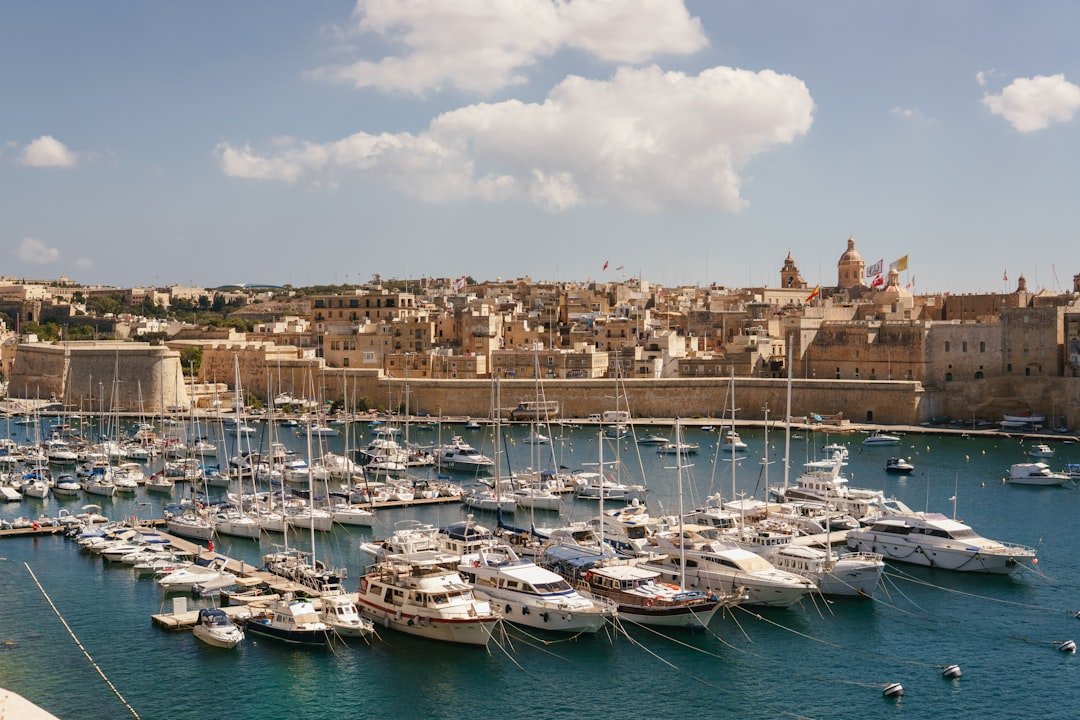
A Mediterranean berth has become one of the hardest parts of a summer itinerary to secure. Popular marinas fill early, larger yachts compete for a limited number of suitable spaces, and strict coastal planning rules prevent operators from adding capacity quickly. Owners and captains increasingly have to design the route around infrastructure before guests decide where they would like to spend the week.
Investors have noticed the imbalance. Infrastructure group InfraVia recently agreed to acquire premium marina operator D-Marin in a transaction that valued the business at more than €1 billion. D-Marin operates 28 marinas across nine countries, with more than 14,300 berths, yet even networks of this scale cannot remove the pressure that develops around the Mediterranean’s most desirable ports in July and August.
Yacht owners cannot solve the shortage, but they can reduce its influence on the trip. The strongest itineraries separate the places guests want to visit from the ports the yacht needs to use, secure only the berths that serve a clear purpose and keep enough operational independence to remain at anchor when conditions allow.
More Yachts Are Competing For Limited Space
The Mediterranean remains the centre of global yachting, but many of its marinas were built for a smaller fleet of shorter vessels. Operators can reconfigure some pontoons, upgrade utilities and improve shore facilities, although they cannot always create the length, depth or manoeuvring space that larger yachts require.
A marina may advertise hundreds of berths while offering only a small number that can accommodate a particular yacht. The captain also needs sufficient draught, reliable shore power, safe access, waste facilities and enough room to enter and leave without creating an operational risk.
Demand concentrates the shortage further. Owners frequently want the same locations during the same few weeks, particularly along the French Riviera, the Italian coast, the Balearics, the Greek islands and the most popular parts of Croatia. Events, school holidays and established social calendars compress much of the season into an even narrower period.
Some ports maintain waiting lists for permanent berths, while transient availability can change from day to day. A confirmed space may come with restrictions on arrival time, length of stay or services. Captains who build the itinerary around one critical booking can find that a delayed guest flight, deteriorating weather or an extended lunch stop puts the entire sequence under pressure.
New Marinas Cannot Follow Demand Quickly
Developers face a difficult route from proposal to opening because new marinas alter coastlines, affect marine habitats and compete with fishing, tourism and public access. Local authorities may support the economic activity but resist projects that change the character of a harbour or transfer too much waterfront space into private use.
Even approved developments take years to design and construct. Operators must also account for deeper draughts, greater electrical demand, larger tenders, security requirements and the engineering loads created by heavier yachts. Expanding an existing harbour can prove almost as complex as building a new one.
Marina groups have therefore become valuable infrastructure businesses. They control scarce waterfront capacity, collect relatively stable annual income and can add boatyards, fuel, maintenance, hospitality and other services around the berth. Investors expect demand to continue, but ownership consolidation will not produce new coastline.
Yacht owners should plan on the basis that the most constrained destinations will remain constrained. A larger marina network may improve reservations and service consistency, although it cannot guarantee a berth in Capri, Saint-Tropez or Mykonos during a peak summer weekend.
Separate The Destination Plan From The Berth Plan
Owners often begin an itinerary with the destinations and then ask the captain to arrange the necessary berths. Experienced teams increasingly reverse part of that process by identifying where the yacht genuinely needs marina access before deciding how the guests will experience each stop.
The destination plan covers beaches, restaurants, villages, cultural visits and time on the water. The berth plan covers fuel, provisioning, water, waste, shore power, engineering support, crew changes and guest transfers.
The two plans do not need to match every night.
A yacht may anchor outside a destination while guests travel ashore by tender. The captain may use a less fashionable harbour for fuel and supplies before moving to a quieter bay. Guests can also reach a recognised restaurant or town by car from a nearby port rather than insisting that the yacht occupy the most prestigious berth.
This approach gives the captain more room to respond to weather and traffic because one unavailable marina no longer threatens the entire route. It can also produce a better guest experience. Many prominent ports become noisy and congested during peak season, while a secure anchorage nearby offers privacy, cleaner water and an uninterrupted view of the coast.
Reserve Berths That Solve A Real Problem
Owners should not reject marinas simply because anchoring feels more authentic. A well-chosen berth can remove several operational problems at once and give the crew time to reset the yacht properly.
Embarkation and disembarkation usually justify confirmed marina access, particularly when guests arrive with luggage or need dependable airport transfers. Crew changes, major provisioning, engineering work and waste removal also become easier alongside. Poor weather may make a protected harbour essential rather than optional.
Some destinations gain part of their character from entering the port itself. A berth can place guests within walking distance of restaurants and evening life, remove the need for repeated tender transfers and give less mobile passengers easier access ashore.
The weaker bookings are those made from habit. A yacht does not need to enter every port it visits, nor does each dinner reservation justify moving the vessel. Owners and captains should ask what the berth contributes before accepting its price, restrictions and effect on the route.
Use Anchorages According To Their Function
A calm-looking bay does not automatically provide a safe or comfortable night. Captains assess holding, depth, swell, wind shifts, local gusts, traffic and the yacht’s swinging room before treating a daytime stop as an overnight anchorage.
The itinerary should distinguish between a swimming bay, a lunch anchorage and a protected overnight position. A beach may look exceptional in the afternoon but become uncomfortable when excursion boats leave and the evening swell arrives. Another location may lack visual drama yet provide better holding and shelter.
Owners who expect to spend more time away from marinas also need to consider the yacht’s technical independence. Watermaker capacity, battery storage, generator use, stabilisation, refrigeration, waste management and laundry all influence how long the vessel can remain comfortably at anchor.
Crew workload changes too. A marina gives the deck team easier access to provisions, rubbish disposal and shore services. Repeated anchoring, tender transfers and guest movements can demand more planning and physical work, particularly when the yacht changes position frequently.
Captains should therefore use anchorages strategically rather than presenting them as a universally superior alternative. The best position balances shelter, guest access and the yacht’s operational needs.
A Capable Tender Extends The Route
The tender allows the yacht to remain in a suitable position while guests follow a separate programme ashore. Owners who invest in a capable, comfortable tender gain more freedom from marina availability than those whose shore access depends on bringing the main yacht alongside.
Passenger capacity matters, but so do boarding stability, weather protection, lighting, communications and performance in short chop. A tender that works for two people visiting a beach may not suit eight guests returning from dinner after dark.
The crew should inspect unfamiliar landing points in daylight whenever possible. Small harbours can become crowded, beach landings may involve a wet transfer and some restaurant jetties offer less protection than their photographs suggest. The captain also needs an alternative when the wind makes the intended landing impractical.
Large yachts may remain farther offshore because of draught, local restrictions or available swinging room, which increases transfer times. Owners should consider the complete journey from yacht to shore rather than treating the tender ride as an incidental part of the evening.
Build Operational Hubs Into The Itinerary
Captains can create more freedom in remote or crowded cruising areas by identifying several dependable operational ports before departure. These hubs do not need to be the most attractive places on the route because their value lies in fuel, supplies, transport connections and technical support.
A well-positioned stop lets the crew complete several tasks in one visit. The yacht can take on fuel, replace fresh provisions, remove waste and collect a spare part before returning to anchorages where those services remain limited.
Owners should also avoid beginning the guest itinerary immediately after a long delivery passage. The crew needs time to inspect systems, provision properly and resolve minor faults before guests arrive. A yacht that starts the week with low stores, delayed maintenance or tired crew becomes more dependent on the next marina, regardless of the original plan.
Larger islands and established ports often work best as operational hubs, while smaller islands provide the experiences that justify the journey. Combining the two allows the yacht to remain self-sufficient without turning every logistical stop into part of the guest programme.
One-Way Routes Can Remove Unnecessary Pressure
Circular itineraries make travel arrangements easier, but they can force the yacht to return against the prevailing wind or revisit crowded areas simply to reach the original port. A one-way route may cost more because of repositioning and separate guest transfers, although it can produce a more coherent cruising week.
Captains can follow favourable conditions, avoid repetitive passages and leave room to extend a successful stop. Guests also see more of the region without spending the final day retracing the first.
The approach works particularly well in cruising grounds with several accessible airports or ferry connections. Owners should assess the full operational cost, including crew time, fuel and the yacht’s position before and after the trip, rather than comparing embarkation fees alone.
A circular route remains sensible when the yacht has a permanent berth or fixed commitments, but convenience at the beginning should not create poor cruising decisions later.
June And September Reduce The Competition
Owners who can travel outside the central summer window gain more than lower berth prices. June and September often provide better availability, quieter ports and greater freedom to change the route at short notice.
June brings long days and a fresher landscape, while September usually retains warm sea temperatures after the family holiday peak has passed. Restaurants, marinas and shore services remain active in established destinations during both periods.
Weather still determines the programme, and shoulder season does not guarantee a calm sea or an empty harbour. It does, however, reduce the number of yachts competing for the same facilities and gives captains more credible alternatives when a preferred berth becomes unavailable.
Owners tied to August can achieve some of the same benefits by moving away from event weekends, arriving at essential ports earlier in the day and limiting consecutive marina nights. Less famous islands and secondary harbours often provide stronger access, while the tender keeps the better-known destinations within reach.
Scarcity Can Produce A Better Itinerary
The berth shortage creates inconvenience, but it also challenges an increasingly land-based style of yachting in which the vessel moves from marina to marina and follows a sequence of restaurant bookings.
Owners who reduce that dependence use more of the yacht’s actual capability. They spend longer at anchor, choose routes according to the weather and reach destinations without requiring the main vessel to occupy the nearest quay.
The shift can also influence future purchase and refit decisions. Owners may place greater value on water production, battery capacity, stabilisation, cold storage, tender quality and deck arrangements that support longer periods away from shore. A yacht designed for operational independence gives the captain more choices when berth availability tightens.
Marinas will remain indispensable because yachts need fuel, technical support and reliable access to land. Owners simply need to use them with greater precision.
The strongest Mediterranean itinerary now secures the berths that solve a genuine operational problem, identifies alternatives before they become necessary and allows the yacht to follow the coast rather than the reservation calendar. As marina capacity struggles to keep pace with the fleet, that freedom will become one of the most valuable assets onboard.


