
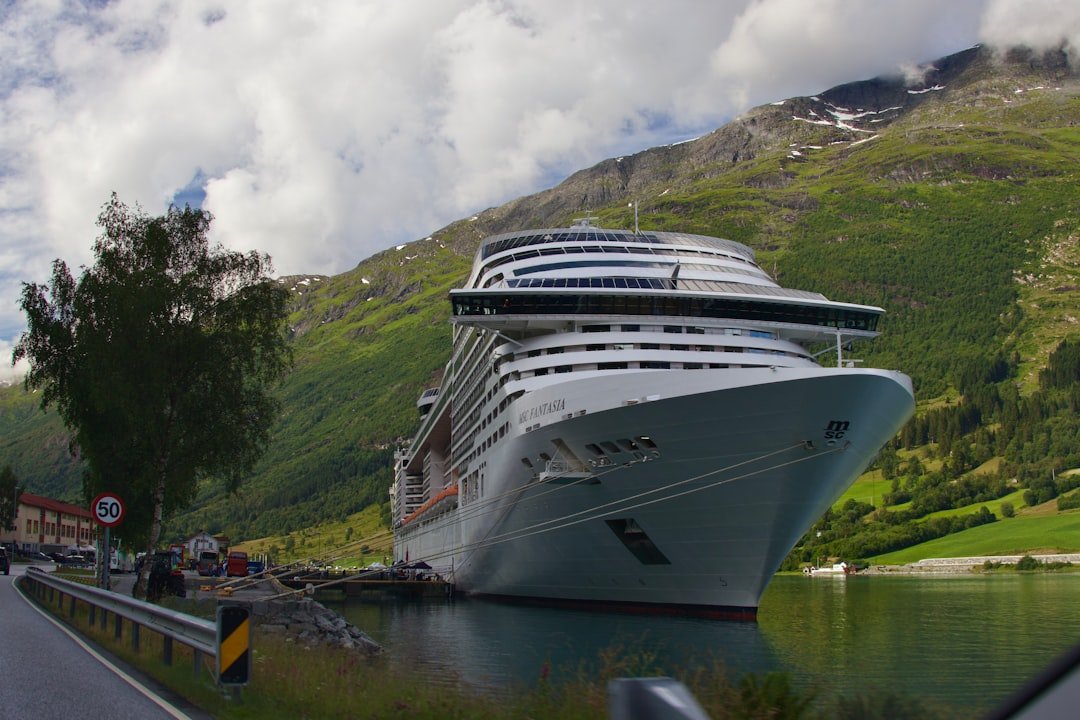
From The Cruise Boom To Private Time On The Water
Cruise holidays are heading for another record year, helped by travellers who like the simplicity of unpacking once, waking up somewhere new and knowing that most of the practical arrangements have already been made. Yet the growing appetite for holidays on the water is not confined to ships carrying several thousand passengers. Alongside the large cruise operators, a quieter market has been developing among families, couples and groups of friends who want the movement and variety of a sea-based holiday without following a fixed programme.
For many of these travellers, renting a boat is no longer an extravagant alternative reserved for experienced sailors or guests accustomed to superyachts. A day boat in Miami, a skippered catamaran in Greece or a small motor yacht along the Croatian coast can provide the part of a cruise holiday people often value most: open water, changing scenery and direct access to places that feel different from those reached by road.
The distinction lies in scale. A cruise delivers convenience through a highly organised system of restaurants, entertainment, excursions and scheduled arrivals. A private boat replaces that structure with more control over pace, company and destination. Neither format is inherently better, but they serve increasingly different versions of the same desire to spend a holiday moving across the water.
Why water-based holidays are growing
Part of the appeal is practical. Travellers can visit several places without repeatedly checking out of hotels, repacking suitcases or navigating unfamiliar roads. A week on a boat may include small islands, coastal towns, swimming bays and waterfront restaurants, while the accommodation travels with the group.
That rhythm suits the way many people now want to spend their holidays. A tightly scheduled city break can become another sequence of reservations, transport connections and crowded attractions. Beach holidays offer rest but may feel static after several days. Time on the water sits somewhere between the two, creating a sense of movement without requiring a new logistical plan every morning.
There is also a stronger preference for trips built around a private group. Families want space to spend time together without organising every meal around a hotel dining room. Friends may prefer a boat for a birthday, reunion or long weekend because the experience already provides the setting. Couples can reach quieter anchorages during the day and return to a lively marina in the evening.
The boat does not need to be large for the trip to feel distinctive. Much of the pleasure comes from having the day shaped around the people aboard rather than around a timetable shared with hundreds of other travellers.
A cruise and a private boat answer different questions
Cruises remain difficult to beat for travellers who want a wide choice of facilities without having to organise them. Entertainment, childcare, restaurants, transport between destinations and housekeeping are usually contained within one booking. For a multigenerational family with different interests, that convenience can be decisive.
The trade-off is that the itinerary belongs to the ship. Port calls may be short, popular destinations can become crowded when several vessels arrive together, and the experience between stops takes place within a large floating resort. Travellers see several destinations, although they do not always have enough time to settle into any of them.
A private boat works differently. The vessel is smaller, the route is more flexible and the group has greater influence over how long it stays in each place. A planned lunch stop can become an afternoon at anchor. A busy harbour can be replaced with a quieter bay. When weather and local regulations allow, the skipper can adapt the itinerary around the conditions and preferences of the guests.
This freedom also brings more decisions. The group must choose the right type of boat, agree on a realistic route and understand what is included in the booking. Those responsibilities are manageable, but they explain why a boat holiday benefits from more preparation than a conventional cruise package.
Day boats offer the easiest introduction
Travellers curious about spending time on the water do not need to begin with a week-long charter. A private day boat is often the most useful introduction because it provides the atmosphere of a boating holiday without asking guests to sleep aboard or commit to an extended itinerary.
In destinations such as Miami, Ibiza, Mallorca, Sydney or the Amalfi Coast, a day rental can combine sightseeing with swimming, lunch and several hours away from the busiest parts of the shore. The group returns to its hotel in the evening, which makes the format suitable for first-time renters, families with younger children and travellers who want boating to form one part of a broader holiday.
A captain is usually the sensible choice unless someone in the group has the appropriate experience and local permissions. Beyond operating the boat, a local captain knows which anchorages work in the prevailing conditions, where swimming is permitted and how long journeys take in practice. This can make the difference between a relaxed day and an itinerary that spends too much time in transit.
Skippered charters remove the most intimidating part
The assumption that a boat rental requires sailing qualifications continues to discourage people who would otherwise enjoy it. A skippered charter removes that obstacle. Guests book the boat together with a professional who handles navigation, mooring and the practical decisions associated with the route.
This format is particularly well suited to the Mediterranean, where distances between islands, bays and coastal towns can be short enough to provide variety without demanding long passages. Greece, Croatia, Turkey, Spain and Italy all offer routes that can be adapted to different levels of ambition.
The skipper does not turn the trip into a cruise with a smaller passenger list. Guests still need to discuss the itinerary, decide whether they will cook or eat ashore and understand how much privacy is available on the chosen vessel. On smaller boats, the skipper is part of daily life aboard, which is why reviews, communication and clarity about expectations matter before booking.
For many groups, the arrangement offers the right compromise. They gain the freedom of a private boat without carrying responsibility for navigation or safety.
Catamarans have widened the audience
The growth of catamaran holidays has helped make private charters more approachable. Their broad layout provides more communal space, greater stability at anchor and cabins that can feel less confined than those on many monohull sailing yachts. Families and groups who are uncertain about living aboard often find the design easier to imagine.
A catamaran can also enter relatively shallow bays, providing access to anchorages that may not suit a deeper vessel. The large deck and shaded cockpit work well in warm climates, where much of the day is spent outside.
The disadvantages deserve equal attention. Catamarans are usually more expensive to rent and can cost more in marinas because they occupy additional space. They may deliver less of the traditional sensation of sailing that experienced guests expect from a monohull. For travellers primarily interested in comfort, swimming and sociable evenings, however, those compromises may be acceptable.
Motor yachts appeal to another group. They cover distances more quickly, require less dependence on wind and often suit itineraries built around several coastal destinations. Fuel costs can be substantial, particularly on larger or faster vessels, and should be examined before the booking is confirmed rather than treated as a minor expense at the end.
The itinerary should leave room for the water
First-time charter guests often plan too many stops. On a map, a route through six islands or coastal towns can appear comfortably achievable. Once time for swimming, lunch, mooring and changes in weather is included, the holiday can become a race between marinas.
The most enjoyable itineraries usually contain fewer compulsory destinations and several possible alternatives. A week in Greece does not need to become an attempt to see every island within reach. Croatia offers enough coastal towns and anchorages for a rewarding trip without moving the boat every morning. In the British Virgin Islands, short distances make island-hopping straightforward, although even there the temptation to collect destinations can reduce the time available to enjoy them.
A boat changes the meaning of a travel day. The journey is not merely the period between one attraction and the next. Sailing, stopping for a swim and arriving by water belong to the holiday itself. An itinerary that respects this feels spacious even when the distances are modest.
Privacy is not the same as isolation
Private time on the water appeals partly because the group is not sharing every space with strangers. Breakfast can happen when everyone wakes up. Music, meals and swimming stops can be decided without reference to a public schedule. Children have room to settle into the boat rather than repeatedly moving through formal hotel settings.
Yet a charter does not have to become a week of complete seclusion. Many of the best routes alternate between quiet anchorages and evenings ashore. Guests might spend the afternoon swimming from the boat, then enter a marina for dinner and a walk through town. The following night could be spent in a sheltered bay under a different rhythm.
This balance explains why boating can appeal to travellers who would never describe themselves as sailors. The boat is a way of reaching places and organising time, rather than the sole subject of the holiday.
What to check before booking
The quoted rental price rarely tells the whole story. Fuel, marina fees, cleaning, local taxes, provisions and the skipper’s meals or accommodation arrangements may be charged separately. Some boats include water-sports equipment, while others offer it as an extra. Security deposits and cancellation conditions also vary.
The group should agree on priorities before choosing the vessel. A fast motor yacht may be wasted on travellers who mainly want to anchor and swim. A classic sailing yacht may feel cramped to guests expecting hotel-style space. A large catamaran can be ideal for several couples, although the cost advantage of sharing disappears when cabins remain unused.
Reviews are valuable when they describe the condition of the boat, accuracy of the listing and quality of communication rather than simply praising the scenery. Recent photographs and a clear inventory can prevent misunderstandings about cabins, bathrooms, shade and equipment.
Weather should remain part of the planning even in destinations known for reliable summers. A flexible attitude is more useful than a rigid list of places that must be reached. The captain or skipper may change the route because of wind, sea conditions or congestion, and that decision usually protects the quality of the trip rather than diminishing it.
The new water holiday is less about display
Yachts have long carried associations with extreme wealth, private crews and marinas filled with vessels designed to demonstrate their owner’s status. That image still exists, but it describes only a narrow part of the boating market.
Most people renting a boat are not trying to recreate life aboard a floating palace. They are choosing a different way to spend a day or a week with people they know. The vessel may be modest, the lunch may come from a local market and the route may cover only a small stretch of coastline. What matters is the ability to leave the crowded shore behind and decide how the hours unfold.
The cruise boom confirms that holidays on the water have moved firmly into the mainstream. Private rentals extend that trend in another direction, replacing the scale and certainty of a ship with a closer relationship to the destination. For travellers who want entertainment, extensive facilities and a fully organised itinerary, a cruise remains compelling. For those more interested in quiet bays, flexible mornings and a boat shared only with their chosen group, private time on the water offers a different form of ease.

