
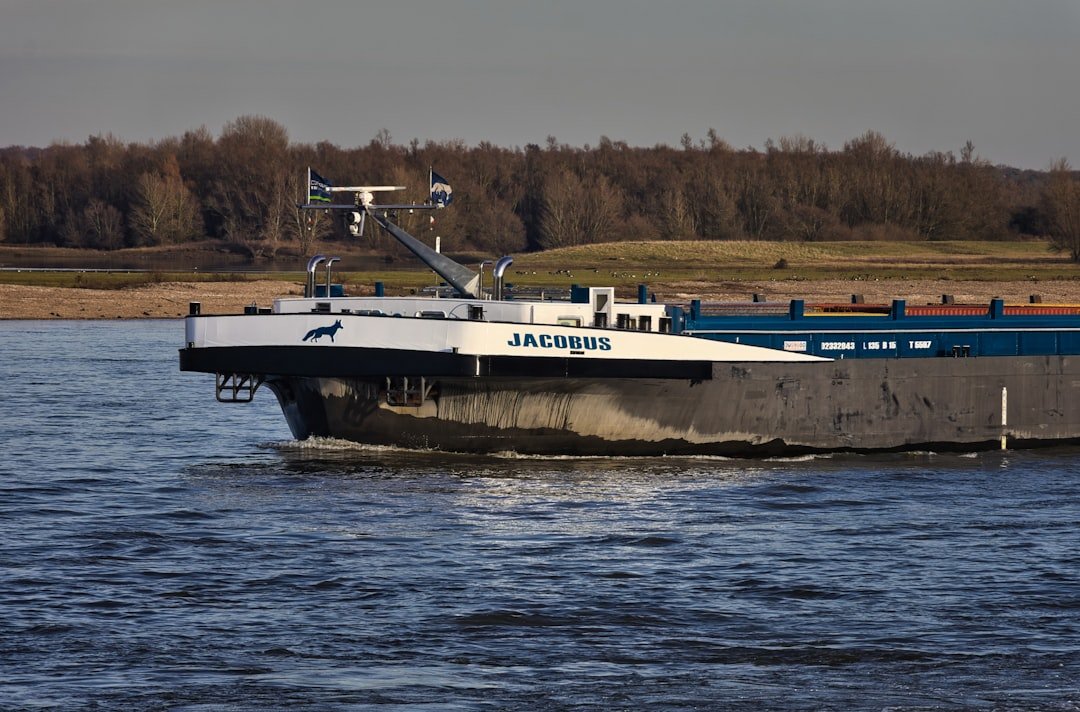
Autonomous Marine Navigation Systems
Introduction
Autonomous marine navigation systems are revolutionizing the maritime industry, promising enhanced safety, efficiency, and environmental sustainability. The global autonomous shipping market is expected to grow significantly, with an estimated value of USD 130 billion by 2030. This development is crucial as it addresses the challenges faced by traditional navigation methods, including human error and environmental impact.
Context and Background
The concept of autonomous navigation is not entirely new. Historically, the maritime industry has been at the forefront of adopting innovations, from the invention of the compass to the introduction of radar technology. However, the integration of artificial intelligence and machine learning has propelled this field into a new era.
One notable example is the development of the Mayflower Autonomous Ship, a project led by IBM and ProMare. This prototype aims to cross the Atlantic Ocean autonomously, demonstrating the potential of AI in marine navigation. The ship’s journey is not only a technological milestone but also a symbol of the industry’s commitment to innovation.
Furthermore, the shift towards autonomous systems is driven by the need to reduce operational costs and increase shipping efficiency. With global trade volumes expected to triple by 2050, the maritime industry is under pressure to enhance its logistics capabilities without compromising safety or environmental standards.
Key Data and Trends
- The International Maritime Organization (IMO) has established a framework for the safe operation of autonomous ships, highlighting the importance of regulatory compliance in this evolving landscape.
- Autonomous ships can reduce fuel consumption by up to 12%, contributing to lower carbon emissions and aligning with global sustainability goals.
- The use of autonomous navigation systems can decrease the risk of human error, which accounts for approximately 75% of marine accidents.
- Major shipping companies are investing in research and development to integrate autonomous systems, aiming to enhance competitive advantage and operational efficiency.
- The adoption of autonomous marine technology is expected to create new job opportunities in the fields of AI, data analysis, and marine engineering.
Expert Perspectives
Dr. Sarah Johnson, a leading researcher in marine technology, states, “The integration of AI in marine navigation is a game-changer for the industry. It opens up possibilities for safer and more efficient sea travel.” Her insights emphasize the transformative potential of AI-driven systems in reducing maritime risks.
Captain James Thompson, an experienced mariner, notes, “While technology is advancing rapidly, the human element remains crucial. Autonomous systems should be seen as tools to enhance human decision-making, not replace it.” This viewpoint underscores the importance of maintaining a balance between technology and human expertise.
Professor Elena Martinez, an expert in environmental science, highlights, “The environmental benefits of autonomous ships are significant. By optimizing routes and reducing idle time, these systems can greatly reduce the industry’s carbon footprint.” Her analysis highlights the dual benefit of operational efficiency and environmental responsibility.
Implications, Outlook, and Actionable Insights
As autonomous marine navigation systems continue to evolve, their implications for the maritime industry are profound. Companies and stakeholders must adapt to leverage these technologies effectively.
- Invest in continuous training for maritime professionals to ensure they can operate and oversee autonomous systems effectively.
- Establish partnerships with technology providers to stay ahead of the curve and integrate the latest advancements in AI and machine learning.
- Prioritize regulatory compliance and stay informed about international guidelines to ensure smooth operations and avoid legal setbacks.
- Focus on sustainability by adopting technologies that reduce environmental impact and align with global emission reduction targets.
- Encourage collaboration between industry leaders and researchers to foster innovation and address potential challenges proactively.
Future Outlook and Next Steps
Looking ahead, the adoption of autonomous marine navigation systems is expected to accelerate over the next five years. By 2028, it is anticipated that autonomous vessels will form a substantial part of global shipping fleets. A forecast by Allied Market Research indicates that the autonomous ship market will grow at a CAGR of 4.4% from 2021 to 2030, underscoring the industry’s commitment to embracing this technology.
Conclusion
The evolution of autonomous marine navigation systems marks a pivotal moment for the maritime industry. As highlighted by Dr. Sarah Johnson, these innovations offer unprecedented opportunities for enhanced safety and efficiency. With a focus on regulatory compliance, sustainability, and collaboration, the industry is poised to navigate this transformative period successfully. By embracing these technologies, the maritime sector can look forward to a future of safer, more efficient, and environmentally responsible sea travel.
For further reading, consider exploring resources from the International Maritime Organization and the Allied Market Research.
