
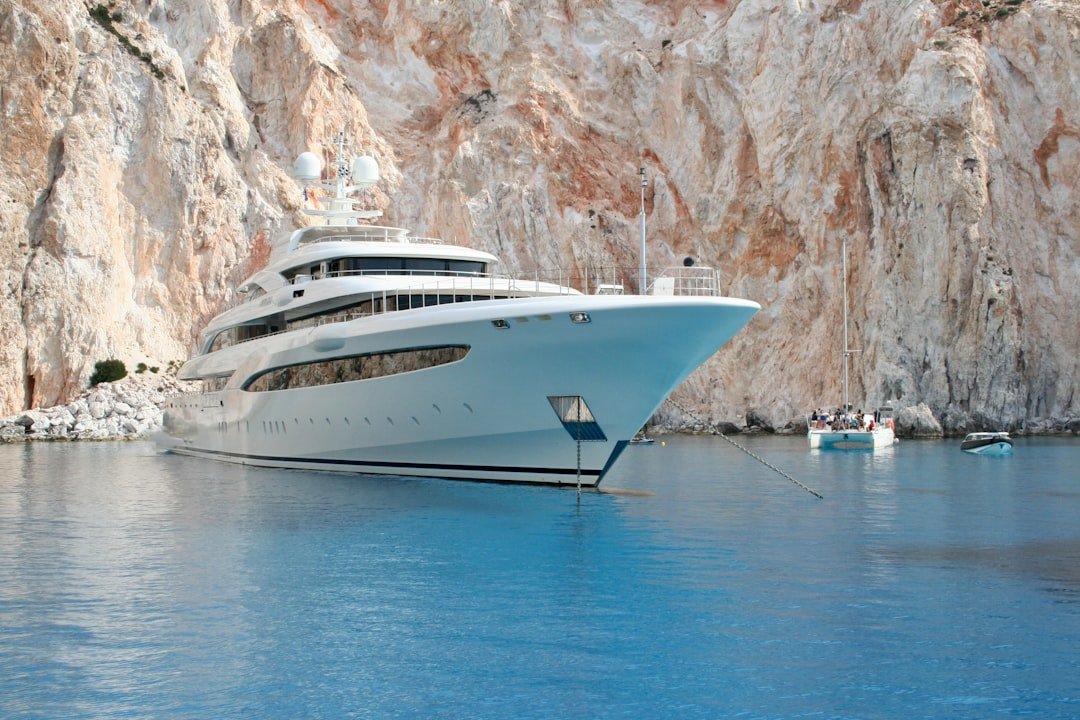
Global Yacht Show Boom
A yacht show can look like the ultimate luxury spectacle: immaculate vessels filling a Mediterranean harbour, private lounges, new designs and a calendar of dinners extending well beyond the marina. For a serious buyer or charter client, however, its real value is more practical. The right event allows you to compare several yachts, meet brokers and shipyards, test your assumptions about ownership and discover how dramatically costs and layouts can differ before making an expensive decision.
Not every show serves the same purpose. Monaco concentrates on the upper end of the superyacht market, Fort Lauderdale offers an enormous range of vessels and marine businesses, while Dubai provides access to the growing Gulf market. Choosing well matters because tickets, accommodation and travel can be expensive, and access to the most interesting yachts is rarely as spontaneous as promotional photographs suggest.
Decide Why You Are Going
Before booking a flight, decide what you need the show to accomplish. A prospective owner considering a custom build has different priorities from someone comparing charter yachts or looking for a manageable family boat.
A buyer may want to inspect layouts, assess build quality and meet several brokers within a few days. Someone considering a new build can speak to shipyards, naval architects, interior designers and project managers without arranging a separate visit to each company. An existing owner may be researching a refit, new propulsion system or replacement tender.
Charter clients can also benefit, particularly when several available yachts are present. Walking through a vessel reveals far more than a brochure: whether the cabins feel private, how easily guests can move between decks, whether the dining areas suit the family and how separate the crew and service routes really are.
Visitors attending mainly for the atmosphere should recognise that some events are better suited to casual exploration than others. The most exclusive yachts may be shown by appointment only, while general-access areas can be crowded. A yacht show can still be enjoyable without a purchase in mind, but it should not be mistaken for unrestricted access to every vessel in the harbour.
Monaco: Best For The Superyacht Market
The Monaco Yacht Show remains the clearest choice for someone seriously exploring a large superyacht, custom build or high-value charter. Its 2025 edition brought approximately 120 superyachts and 60 tenders to Port Hercule, with close to half of the main fleet presented as recent launches or premieres.
The concentration is its principal advantage. Rather than viewing yachts individually across several Mediterranean ports, a buyer can compare vessels from leading European and international shipyards within a relatively compact harbour.
Monaco is particularly useful at the exploratory stage of a new-build project. Owners can move from a yacht designed around formal entertaining to an expedition-style vessel with extensive storage, then compare the engineering and interior philosophies behind each. Designers, brokers, builders, equipment specialists and legal advisers are also present, allowing a broad project team to begin taking shape.
The limitations are cost and access. Accommodation becomes expensive, restaurants fill quickly and the schedule can be dominated by private appointments. Visitors arriving without preparation may see impressive yachts from the quay while gaining little detailed information.
Monaco is therefore worth the expense when you have clear objectives and can arrange meetings before arrival. It is less compelling as an improvised luxury weekend.
Fort Lauderdale: Best For Range And Practical Comparison
The Fort Lauderdale International Boat Show is broader and larger in visitor numbers than Monaco. Spread across several locations, it includes production boats, brokerage yachts, marine equipment, tenders and superyachts rather than concentrating exclusively on the highest end of the market.
This range makes it useful for buyers who have not yet decided exactly what type of vessel they need. A visitor might compare a new production yacht with a larger pre-owned alternative, examine different tender arrangements and speak to suppliers about stabilisers, navigation equipment or onboard connectivity.
Fort Lauderdale also provides access to the extensive US brokerage market. For someone considering a pre-owned yacht, that can be more useful than attending a show dominated by new launches. The total cost of ownership, refit requirements and resale prospects can be discussed alongside the initial asking price.
Its scale requires planning. Travelling between sites takes time, and trying to see everything is unrealistic. The best approach is to identify a shortlist, group appointments geographically and leave room to inspect unexpected alternatives.
The show is also more accessible to general boating enthusiasts than some superyacht-focused events. Even so, boarding larger vessels typically requires registration with the listing broker and evidence of genuine interest.
Dubai: Best For The Gulf And Emerging Buyers
The Dubai International Boat Show has become an important meeting point for the Middle East, attracting builders, equipment companies and visitors from numerous countries. Its appeal lies not only in the yachts displayed but in access to a region investing heavily in marinas, waterfront development and luxury tourism.
Dubai may be particularly relevant to owners based in the Gulf or those intending to operate a yacht there. Local cruising patterns, climate, maintenance capacity and regulations can affect which vessel and equipment are appropriate. Air conditioning, shaded exterior areas, dust protection and regional service support may matter more than they would for a yacht used primarily during a short Mediterranean season.
The show also demonstrates that the yacht market is no longer centred solely on established European and North American clients. Builders increasingly tailor sales, design and aftercare to buyers in the Middle East and Asia.
For a European buyer with no intention of using or keeping a yacht in the region, Dubai may offer less practical value than Monaco or a major Mediterranean show. The decision should follow the intended cruising programme rather than the glamour of the destination.
What To Arrange Before You Arrive
The most valuable yacht-show experiences are organised in advance. Begin by obtaining the preliminary yacht and exhibitor lists, then identify a manageable number of priorities.
Contact brokers several weeks before the event. Explain whether you are considering a purchase, charter, build or refit, and provide a realistic indication of size, budget and timing. This allows the broker to suggest relevant yachts and request boarding appointments.
Avoid scheduling meetings back to back. Boarding a yacht, asking useful questions and travelling to the next location can take considerably longer than expected. A crowded programme encourages superficial viewing and leaves little time to compare impressions.
Prepare the same core questions for each yacht. Ask about annual operating expenditure, crew requirements, fuel consumption, maintenance history, charter record and major works likely to be needed. For a new build, discuss delivery time, change-order procedures, warranties and what is excluded from the headline contract price.
Photographs and notes become essential after several inspections. Obtain permission before taking pictures, particularly on privately owned yachts, and record practical observations rather than relying on memory.
What To Look For On Board
Size alone reveals little about how a yacht will feel in use. Two vessels of similar length can have very different internal volume, deck arrangements and crew requirements.
Begin with circulation. Consider how guests move between cabins, dining spaces and exterior decks. Notice whether service staff must cross guest areas and whether stairways feel comfortable in movement at sea.
Cabin numbers can also be misleading. A yacht with more accommodation may devote less space to each guest or compromise storage and privacy. Think about who will actually travel with you rather than maximising berths for hypothetical occasions.
Examine the exterior areas at the times of day they are likely to be used. A large deck without adequate shade may be uncomfortable in hot climates, while an elaborate beach club can lose some appeal if deploying it requires substantial crew effort.
Engine rooms, crew accommodation and service spaces deserve attention even when the interiors are the principal attraction. Crew retention and efficient maintenance affect the ownership experience, while cramped working conditions may eventually reduce service quality.
What The Sustainability Displays Really Mean
Hybrid propulsion, alternative fuels, solar systems and more efficient hulls are now prominent yacht-show themes. These developments matter, but the language surrounding them requires careful interpretation.
A hybrid system may reduce noise, improve low-speed efficiency or allow certain onboard functions to operate with fewer generators. It does not make a large yacht environmentally neutral. Actual emissions depend on vessel size, speed, operating profile, fuel and the amount of time spent under way.
Hydrogen, methanol and other alternative systems remain at different stages of commercial readiness. Buyers should ask whether the technology is fully operational, where the fuel can be obtained and which shipyards or technicians can maintain it.
Efficiency improvements are generally more credible when expressed through measurable fuel consumption, range and operating modes rather than broad claims about sustainability. A smaller yacht used thoughtfully may have a lower impact than a much larger vessel carrying highly publicised green technology.
Is The VIP Ticket Worth It?
Premium access may include dedicated entrances, lounges, hospitality and less crowded visiting periods. It can be worthwhile for a buyer with a full appointment schedule who needs a quiet place for meetings.
It is less valuable when purchased mainly in the hope of gaining access to restricted yachts. Boarding decisions are typically controlled by owners, builders and brokers rather than by the ticket category alone.
A well-prepared visitor with standard admission and confirmed appointments may accomplish more than a VIP guest arriving without a plan. Pay for convenience when it will materially improve the working day, not because the most expensive ticket appears to certify serious intent.
The Costs The Show Does Not Display
The purchase price is only the beginning of yacht ownership. Crew salaries, fuel, insurance, berthing, maintenance, management, regulatory compliance and periodic refits create substantial continuing expenditure.
A yacht displayed in perfect show condition may have been prepared specifically for sale. Ask for maintenance records, class documentation, surveys and details of recent technical work. Cosmetic presentation should not replace independent inspection.
New-build buyers face a different risk: the attractive concept may develop into a much more expensive project as specifications change. Contract terms, milestone payments and the management of owner-requested modifications require specialist advice.
Charter can be a more rational option for someone who wants access to different cruising regions without assuming year-round ownership costs. Visiting yachts at a show may help clarify whether ownership is genuinely desirable or whether charter provides most of the experience with fewer responsibilities.
Are Yacht Shows Really Booming?
The largest events continue to attract substantial visitor numbers, and shows in the Middle East and other emerging markets have become more internationally significant. Yet the picture is not one of uninterrupted expansion. Individual events can display fewer superyachts from one year to the next, while sales and construction remain sensitive to interest rates, wealth creation and geopolitical uncertainty.
The modern yacht show is also becoming more commercially segmented. Some events remain broad boating exhibitions, while others concentrate on qualified buyers, new-build clients or particular regional markets. Private previews and digital listings have changed how buyers research vessels, but they have not removed the value of seeing several yachts in person.
For serious clients, the attraction is efficiency rather than spectacle. A show compresses months of travel and meetings into several days, provided the visitor arrives with a shortlist and appropriate advisers.
The right yacht show can be highly valuable, but only when it matches the decision you are trying to make. Monaco is strongest for large superyachts and custom projects, Fort Lauderdale for breadth and brokerage inventory, and Dubai for the Gulf market. Arrange access early, compare operating realities rather than decorative features and treat sustainability and investment claims with care. The spectacle may draw the crowds, but disciplined comparison is what makes the journey worthwhile.